A New Era of Intelligent Transportation
Auto Technology continues to redefine how people interact with vehicles and movement itself. Modern transportation is no longer limited to mechanical performance alone as digital intelligence now plays a central role. Vehicles are becoming smarter more responsive and more connected to their surroundings. This transformation reflects a broader shift toward convenience safety and efficiency in everyday travel.
Connectivity and the Digital Driving Experience
Connectivity has changed the driving experience in profound ways. Vehicles now communicate with mobile devices navigation systems and cloud platforms to provide real time insights. Drivers benefit from seamless access to information entertainment and guidance while on the move. This integration creates a more intuitive experience where technology supports rather than distracts. As connectivity improves vehicles become extensions of digital lifestyles.
Advancements in Safety and Driver Assistance
Safety innovation stands at the heart of modern automotive development. Intelligent systems monitor surroundings anticipate risks and support driver awareness. These technologies aim to reduce human error and enhance confidence on the road. Cameras sensors and software work together to create an environment where prevention is prioritized over reaction. As these systems mature they continue to shape expectations around responsible mobility.
Electrification and Energy Efficiency
The shift toward cleaner energy has accelerated innovation across the industry. Electric powertrains and efficient energy management systems reflect growing environmental awareness. Manufacturers invest heavily in improving range reliability and charging convenience. This transition supports reduced emissions and quieter operation while maintaining performance. Energy focused design represents a balance between responsibility and practicality.
Manufacturing Intelligence and Smart Design
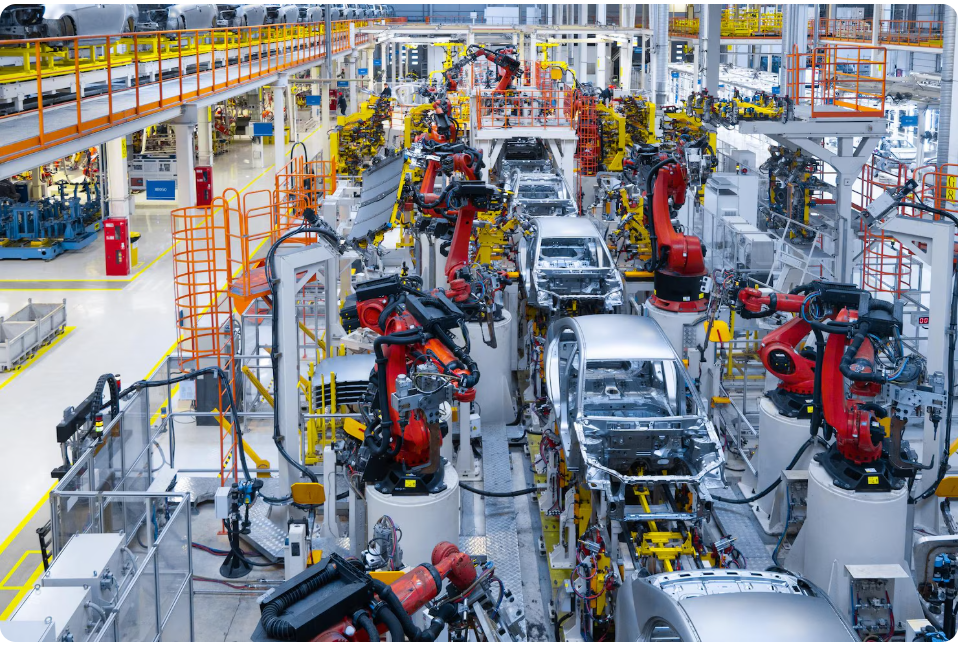
Technology influences not only how vehicles drive but also how they are built. Advanced manufacturing methods improve precision reduce waste and enhance quality. Data driven design allows engineers to test concepts virtually before physical production. This approach shortens development cycles and encourages creativity. Smart manufacturing reflects a commitment to innovation from concept to completion.
The Role of Data and Artificial Intelligence
Data has become a powerful asset in shaping vehicle behavior and improvement. Artificial intelligence analyzes patterns to optimize performance maintenance and user experience. Predictive systems alert drivers before issues become serious and adapt settings to individual preferences. This personalized approach creates a stronger relationship between driver and machine. The use of intelligent data marks a shift toward more human centered design.
Challenges and Ethical Considerations
Rapid advancement also brings important questions. Privacy data security and system reliability require careful attention. Developers must balance innovation with responsibility to ensure trust and transparency. Ethical use of technology influences public acceptance and long term success. Addressing these concerns openly supports sustainable progress and protects users.
Looking Toward a Smarter Journey
Auto Technology will continue to evolve alongside social and environmental needs. The future points toward vehicles that are adaptive efficient and deeply integrated into daily life. Innovation will focus on enhancing human experience rather than replacing it. As technology becomes more refined transportation moves closer to being safer cleaner and more intuitive. This ongoing evolution promises a journey defined by intelligence purpose and progress.